Omni-channel commerce
The Goodness Company is an indulgent snacks brand operating across the UAE and Singapore. As the business scaled, the challenge was no longer selling more, but keeping the underlying operation coherent. This case study documents how an omni-channel commerce platform was designed to automate operations and keep orders, inventory, and accounts in sync across both markets.


The Goodness Company’s customers interacted with the brand across multiple touchpoints, but the systems behind those touchpoints did not operate as one. Ecommerce and point-of-sale channels generated orders independently, while inventory and accounting sat behind them as separate processes.
As volume increased, this disconnect became an operational risk. Orders did not reliably trigger downstream updates, inventory accuracy depended on manual checks, and financial records required reconciliation to reflect reality. Visibility into performance arrived late, after effort, rather than as a natural outcome of day-to-day activity. The business needed a way to ensure that every transaction moved cleanly through the operation without manual intervention or data drift.

Bevy One approached the problem by designing omni-channel commerce as an operating model, not a collection of connected tools. The goal was to ensure that all channels, online and POS, fed into a single, continuous flow where orders became the trigger for inventory movement and financial updates.
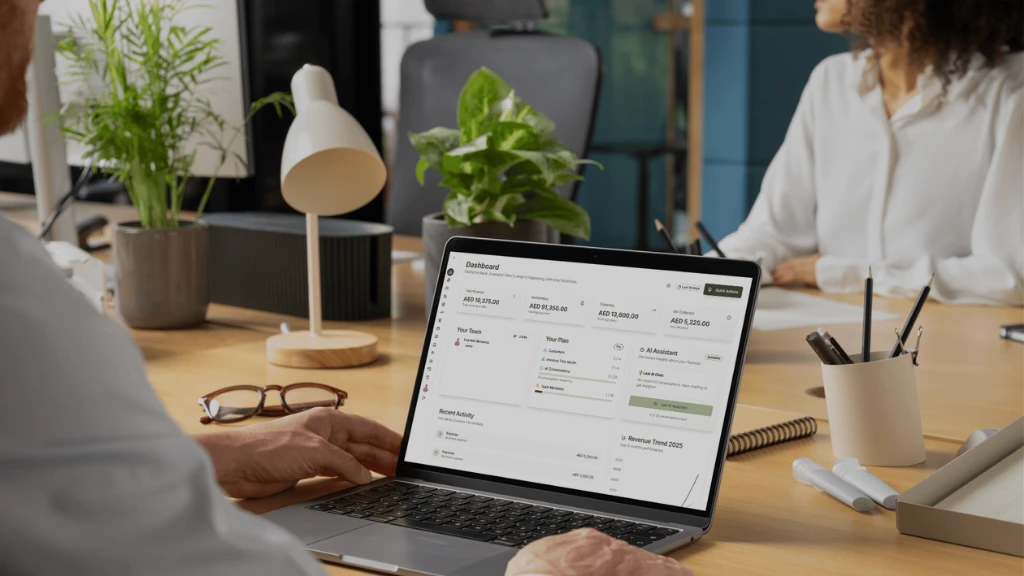
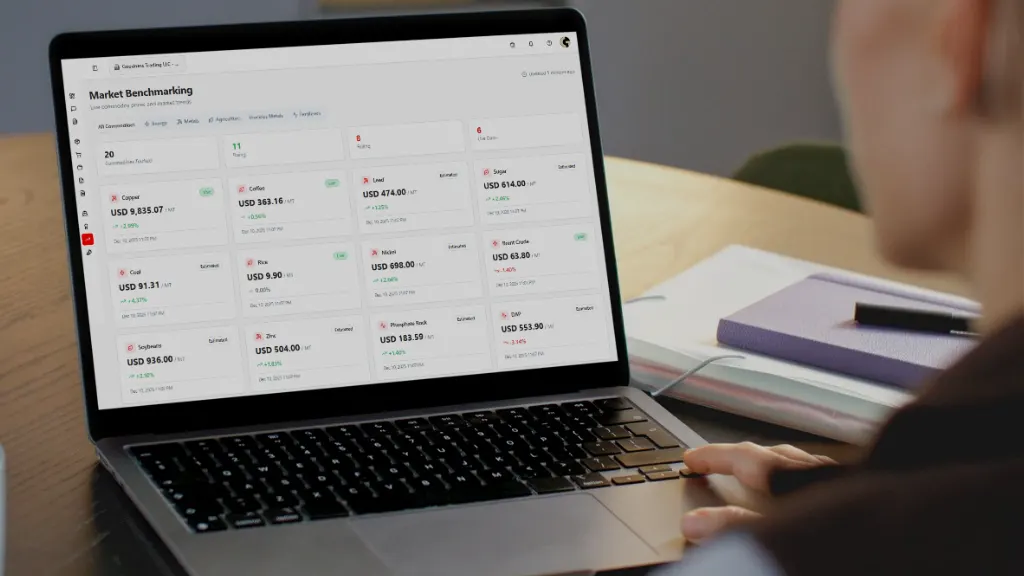
A unified system was implemented to connect ecommerce and POS activity directly with inventory management and accounting. Once a transaction occurs, updates now propagate automatically, keeping records aligned without manual syncing or reconciliation. Because data is shared across the operation, the business gains immediate visibility into what is happening across markets, rather than relying on delayed reports. This foundation also enables a consistent customer experience. Brand interactions, offers, and support are no longer channel-dependent, and shared data allows the business to recognise customers and their preferences wherever they engage. The result is a customer-centric commerce operation that runs smoothly in the background, supporting both daily operations and future growth. AI plays a supporting role within the reporting and insights layer of the platform. This allows the business to move from retrospective reporting to informed decision-making, using AI to interpret operational data rather than compensate for fragmented systems.